The Evolution of Automotive Excellence and the Future of Sustainable Driving


The Evolution of Automotive Excellence and the Future of Sustainable Driving
The automotive industry stands at a historical crossroads, transitioning from the mechanical simplicity of the past to a future defined by artificial intelligence, electric propulsion, and hyper-connectivity. For the average vehicle owner, this transformation represents both an opportunity and a challenge. Understanding how to navigate this shifting landscape requires a deep dive into the engineering marvels under the hood and the digital ecosystems that now govern how we move from one point to another. To maintain a vehicle in this era, one must look beyond the surface and appreciate the intricate balance of chemistry, physics, and software that keeps a modern machine operational.
The Engineering Foundation of Modern Transportation
To appreciate where we are going, we must first understand the complexity of current automotive architecture. A standard internal combustion engine vehicle contains approximately 30,000 individual parts, ranging from the smallest specialized bolts to the massive cast-iron or aluminum engine block. Each of these components is designed to withstand extreme thermal stress and mechanical friction. However, the rise of the electric vehicle (EV) has challenged this traditional blueprint. An EV drivetrain has significantly fewer moving parts, yet it introduces new complexities in thermal management and high-voltage battery chemistry.
The quest for efficiency has driven manufacturers to use lighter materials like carbon fiber and high-strength plastics. While these materials improve fuel economy and speed, they require specialized knowledge when it comes to repairs and long-term care. A minor dent in a traditional steel door is a simple fix, but a crack in a composite bumper might require a total replacement. This is why staying informed through reliable platforms like cargeny is essential for the modern driver who wants to stay ahead of maintenance trends and technological shifts.
Mastering the Art of Preventative Maintenance
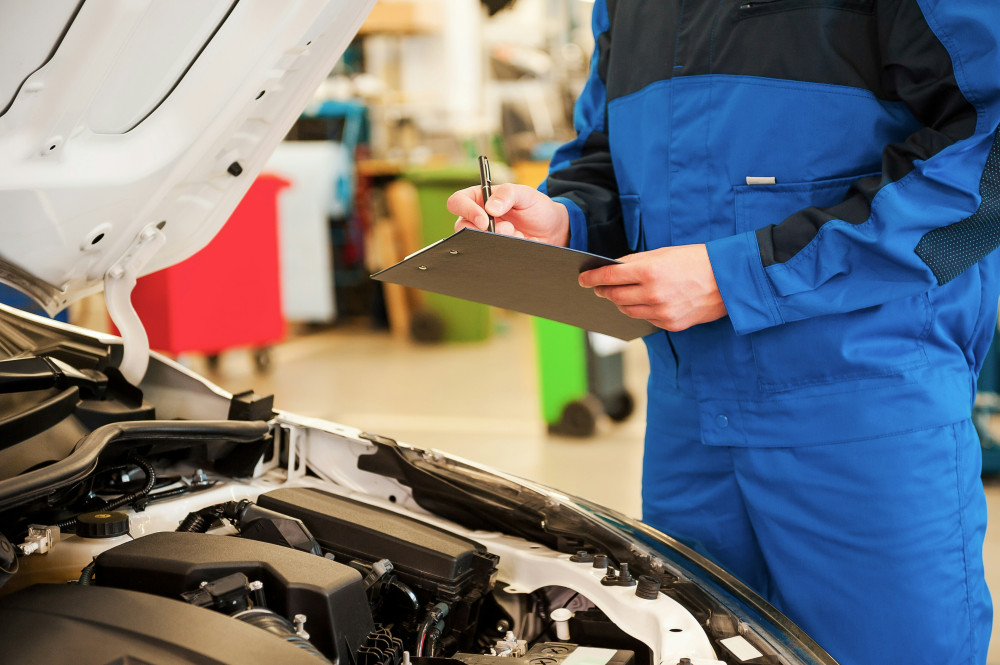
The most successful car owners are those who treat maintenance as a proactive habit rather than a reactive necessity. Preventative maintenance is the practice of replacing components based on mileage or time intervals before they actually fail. This philosophy is the primary differentiator between a car that reaches 300,000 miles and one that ends up in a scrapyard before its tenth birthday.
The Critical Nature of Lubrication and Thermal Control
Oil is often called the lifeblood of the engine, but its role is even more multifaceted than most realize. Modern synthetic oils are engineered at a molecular level to provide a consistent film of protection even under the immense pressure of a turbocharger. As the oil circulates, it picks up microscopic metal shavings and carbon deposits, depositing them into the oil filter. When a driver skips an oil change, these contaminants begin to act like sandpaper, slowly grinding away at the cylinder walls and bearings.
Similarly, the cooling system is the unsung hero of vehicle longevity. An engine operates at temperatures that would melt aluminum if not for the constant flow of coolant. Over time, coolant becomes acidic, which can eat away at the rubber seals and the delicate fins of the radiator. Flushing this system every few years is a small price to pay compared to the cost of a warped cylinder head or a blown head gasket.
The Digital Revolution and Onboard Diagnostics
We have entered the age of the "Software Defined Vehicle." In the past, a mechanic relied on their ears to diagnose a misfire or a vacuum leak. Today, the car’s Electronic Control Unit (ECU) monitors thousands of data points every second. When a "Check Engine" light appears, it is the result of a sensor detecting a deviation from the programmed parameters.
This digital shift has democratized car repair to some extent. With a simple OBD-II scanner and access to high-quality information hubs, owners can identify issues before taking the car to a shop. By utilizing resources like cargeny, drivers can gain a clearer understanding of what their vehicle needs, ensuring they are never overcharged for unnecessary repairs. This synergy between human intuition and digital data is the hallmark of 21st-century car ownership.
Safety Systems and the Human Element
While we often focus on the engine, the safety systems of a vehicle are perhaps the most impressive feat of modern engineering. Anti-lock Braking Systems (ABS), Electronic Stability Control (ESC), and Advanced Driver Assistance Systems (ADAS) work in tandem to prevent accidents before they happen. However, these systems rely on physical hardware that must be maintained.
For example, the cameras and radar sensors used for lane-keeping assist and adaptive cruise control must be calibrated perfectly. Even a slight misalignment caused by a minor fender bender can result in the system malfunctioning. Furthermore, the braking system itself—the pads, rotors, and hydraulic lines—must be kept in peak condition. Brake fluid is hygroscopic, meaning it absorbs moisture from the air over time. This moisture can boil during heavy braking, leading to a "spongy" pedal feel and a dangerous loss of stopping power. Regularly testing and replacing brake fluid is a vital safety step that many owners overlook.
Environmental Stewardship and Fuel Efficiency
In the current global climate, being a responsible car owner also means being an environmentally conscious one. A well-maintained vehicle burns fuel more cleanly and emits fewer pollutants. Something as simple as a dirty air filter can restrict airflow to the engine, forcing it to burn more fuel to maintain power. Likewise, oxygen sensors that are sluggish but not yet "broken" can cause the engine to run "rich," wasting gasoline and clogging the expensive catalytic converter.
Tire pressure also plays a massive role in a car’s carbon footprint. Under-inflated tires increase rolling resistance, which forces the engine to work harder and consumes more fuel. By keeping tires at the manufacturer-recommended PSI, drivers can improve their gas mileage by up to 3%. It is a rare win-win situation where saving money also helps save the planet.
The Psychological Benefit of a Reliable Vehicle
There is a significant psychological component to vehicle ownership that is rarely discussed. For many, a car represents freedom and autonomy. The anxiety of driving a vehicle that might break down at any moment can be a major source of daily stress. Conversely, knowing that your car is in top mechanical shape provides a sense of security and confidence.
This peace of mind comes from building a relationship with your vehicle. Listening for new noises, feeling for vibrations in the steering wheel, and paying attention to how the car handles around corners are all part of being an "active" driver. When you combine this sensory awareness with the expert data found on professional automotive sites, you create a shield against the unpredictability of the road.
Transitioning to the Electric Future
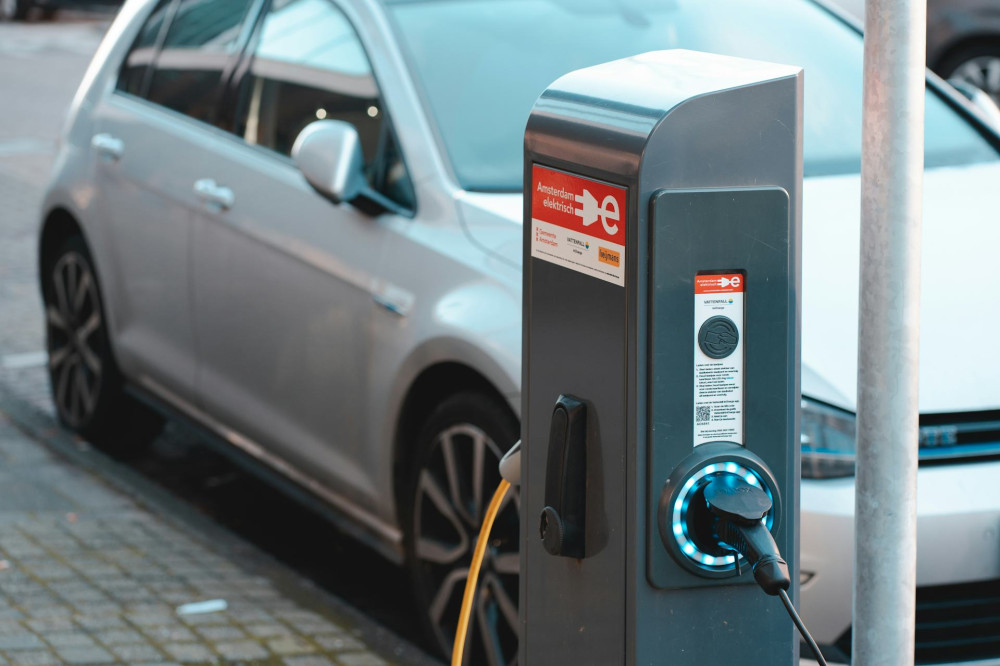
As we look toward the next decade, the transition to electric mobility will accelerate. For those accustomed to the roar of an engine, the silent hum of an electric motor can be jarring. However, the maintenance tasks for EVs—while different—are no less important. Battery thermal management systems, high-tech cabin air filtration, and regenerative braking systems all require periodic inspection. The shift to EVs will change the "how" of car care, but the "why" remains identical: ensuring the safe and efficient transport of ourselves and our loved ones.
Final Thoughts
Owning a car is a significant responsibility that extends far beyond the initial purchase price. It is an ongoing commitment to engineering excellence and safety. By embracing the tools of the modern age, staying informed through specialized platforms, and respecting the mechanical requirements of the machine, drivers can ensure their vehicles remain faithful companions for years to come. The road ahead is filled with innovation, and by staying proactive, you can ensure you are ready for whatever the future of transportation holds.